Whisk_6b7c3741297db339a3e4d91c913f605bdr
Updated: April 11, 2026
Live Concerts Post-Pandemic: How the Music Scene is Adapting to New Norms
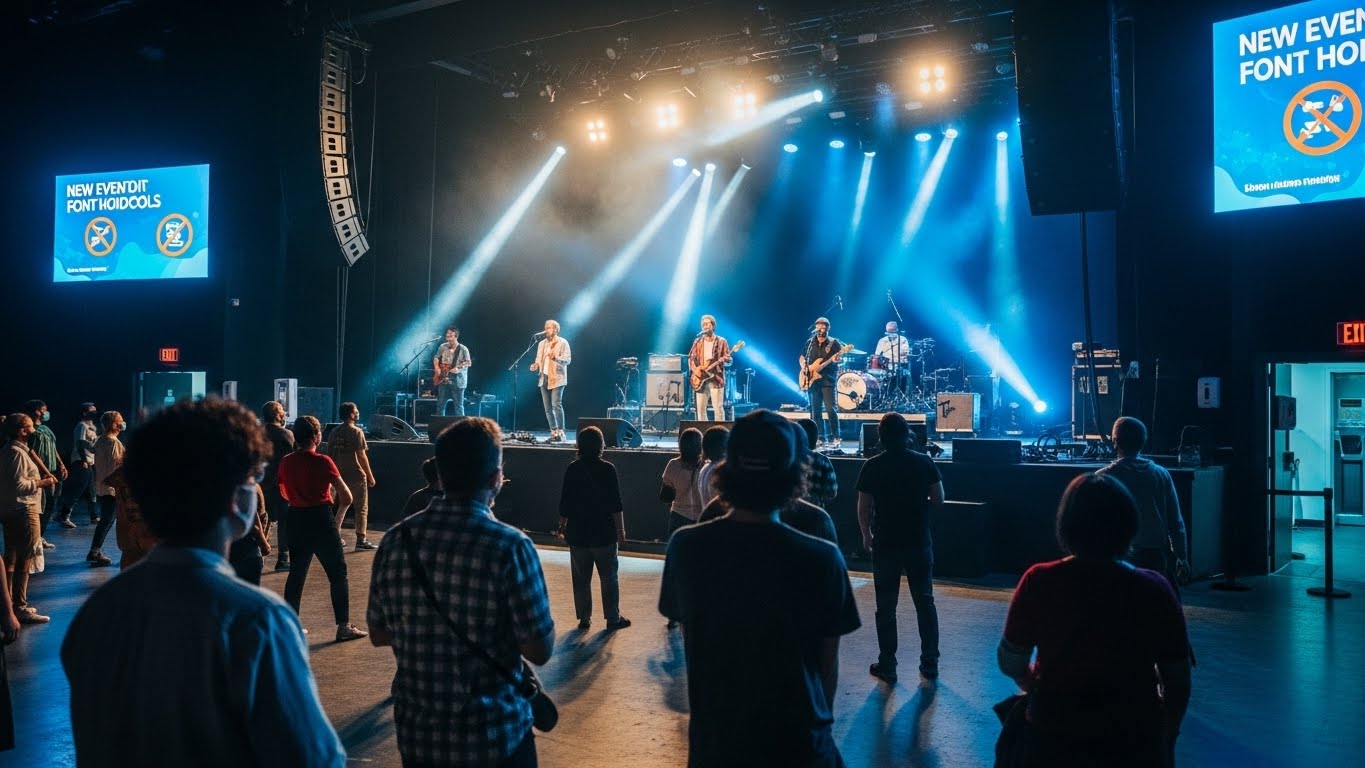
The COVID-19 pandemic has had a profound impact on the music industry, particularly live concerts, which were brought to a standstill. Now, as the world gradually reopens, the music scene is experiencing a transformation. Artists, venues, and fans are adapting to new norms, reshaping the concert experience as we know it. This post explores how live music is evolving in the post-pandemic era, highlighting the innovations and challenges that define this new chapter.
The Rise of Hybrid Concerts
One of the most significant adaptations in the live music scene is the emergence of hybrid concerts. These events combine in-person attendance with virtual streaming, allowing fans from around the world to participate. This model was born out of necessity during the pandemic, but it has proven to be a valuable addition to the concert landscape.
Hybrid concerts offer several benefits. They cater to those who may not feel comfortable attending crowded venues yet, and they provide access to fans who cannot travel. Furthermore, artists can reach a broader audience, increasing their fan base and revenue streams. For example, Harry Styles’ “Love on Tour” embraced this model, offering both live and streamed options to accommodate all fans.
Safety Measures and Protocols
Safety remains a top priority as live concerts resume. Venues are implementing comprehensive health protocols to ensure the well-being of attendees and performers. This includes requiring proof of vaccination or a negative COVID-19 test, enforcing mask mandates, and enhancing sanitation practices.

These measures are designed to create a safe environment without compromising the concert experience. For instance, Lollapalooza 2021 successfully implemented such protocols, resulting in a safe and enjoyable event for thousands of attendees.
Technological Advancements
The pandemic accelerated technological advancements in the music industry, particularly regarding live performances. Virtual reality (VR) and augmented reality (AR) are becoming more prevalent, offering immersive concert experiences from the comfort of home. These technologies provide fans with a unique way to engage with their favorite artists, and they have the potential to revolutionize the concert experience.
Moreover, platforms like Twitch have gained popularity as artists use them to connect with fans through live streaming. This shift has opened up new opportunities for artists to monetize their performances and engage with a global audience.
The Economic Impact on Artists and Venues
The pandemic’s economic impact on artists and venues has been significant, with many struggling to stay afloat. However, the resurgence of live concerts brings renewed hope and opportunity. While some artists have thrived through virtual concerts and merchandise sales, others are eager to return to traditional performances.
Venues, particularly smaller ones, have faced financial challenges, but government support and creative solutions are helping them recover. For instance, the Shuttered Venue Operators Grant has provided much-needed relief to struggling venues, enabling them to reopen and host live events once again.
The Role of Fan Engagement
Fan engagement has become more important than ever in the post-pandemic music scene. Artists are finding new ways to connect with their audience, both online and in-person. Social media platforms play a crucial role in this engagement, allowing artists to interact with fans, share updates, and promote upcoming events.
Additionally, artists are leveraging fan-driven platforms like Patreon to offer exclusive content and experiences in exchange for financial support. This model not only fosters a closer connection between artists and fans but also provides a steady income stream for musicians.
The Future of Live Music
The future of live music in a post-pandemic world is promising, albeit different from what we knew before. The innovations and adaptations that emerged during the pandemic are likely to persist, creating a more inclusive and diverse concert landscape.
As technology continues to evolve, we can expect even more exciting developments in live music. From holographic performances to AI-driven music experiences, the possibilities are endless. The key will be balancing these innovations with the traditional elements of live music that fans cherish.
Takeaways
The post-pandemic music scene is a testament to the resilience and creativity of the industry. Artists, venues, and fans have adapted to new norms, embracing change while preserving the essence of live music. As we navigate this new chapter, the concert experience will continue to evolve, offering exciting opportunities for all involved.
Ultimately, the return of live concerts brings hope and joy to millions worldwide, reminding us of the power of music to unite and inspire.
Global Perspectives on Live Concerts
While the adaptation to new norms in live concerts is a global phenomenon, the approaches differ by region based on cultural, governmental, and economic factors. In Europe, many countries have seen a swift return to live events, thanks to widespread vaccination campaigns and robust health protocols. Festivals like Glastonbury are planning their returns with enhanced safety measures and hybrid options to accommodate international fans.
In Asia, countries like South Korea have led the way in integrating technology with live performances. The concept of online concerts was already popular before the pandemic, with K-pop bands like BTS pioneering global virtual events that attract millions of viewers. This model has continued to gain traction, blending the traditional concert experience with cutting-edge technology.
In contrast, parts of Latin America and Africa face unique challenges, including economic constraints and varying levels of vaccine distribution. However, local artists and organizers are finding innovative ways to bring live music back to communities, often focusing on smaller, outdoor venues to ensure safety and accessibility.
Sustainability and Environmental Considerations
The pandemic has also prompted a reevaluation of the environmental impact of live concerts. With the temporary halt in large-scale events, there was a noticeable reduction in the carbon footprint associated with touring. As live music returns, artists and venues are more conscious of sustainability, implementing eco-friendly practices such as reducing waste, using renewable energy sources, and promoting sustainable merchandise.
For instance, artists like Coldplay have committed to making their tours more environmentally sustainable by minimizing air travel and using solar-powered stages. This shift reflects a growing awareness in the industry of the need to balance entertainment with environmental responsibility.
Challenges and Opportunities for Emerging Artists
The post-pandemic era presents both challenges and opportunities for emerging artists. On one hand, the competitive landscape has intensified as artists vie for attention in both virtual and physical spaces. On the other hand, the democratization of digital platforms has leveled the playing field, allowing new talents to reach audiences without the traditional gatekeepers.
Social media, video streaming services, and music-sharing platforms have become essential tools for budding musicians to showcase their work and build a fan base. Artists can now release music independently, engage directly with listeners, and even organize their own live-streamed concerts. This autonomy empowers emerging artists to carve out their niche and establish a presence in the music industry.
The Role of Community and Collaboration
Community and collaboration have taken on new significance in the post-pandemic music scene. Artists are increasingly collaborating with each other across genres and borders, creating a fusion of sounds that reflects the diverse tastes of global audiences. These collaborations not only expand creative horizons but also foster a sense of unity and shared purpose within the music community.
Fans, too, play a crucial role in this collaborative ecosystem. As active participants in the music scene, they contribute to the success of live concerts through their support, feedback, and engagement. Online communities and fan clubs have become vibrant hubs for interaction, where fans can share experiences, discuss music, and organize events.
Adapting to Future Challenges
While the music industry has shown remarkable resilience and adaptability, future challenges remain. The ongoing threat of COVID-19 variants, economic uncertainties, and changing consumer behaviors are factors that the industry must navigate. Flexibility and innovation will be essential to address these challenges and continue the momentum of recovery.
Artists and venues will need to remain agile, ready to pivot between in-person and virtual formats as needed. Building strong relationships with fans, embracing new technologies, and prioritizing health and safety will be key strategies for sustaining the live music scene in the coming years.
In conclusion, the post-pandemic world presents a new landscape for live concerts, characterized by change, innovation, and resilience. As the music scene adapts to new norms, it offers exciting possibilities for artists, fans, and industry professionals alike. By embracing these changes and learning from the experiences of the past, the music industry is poised for a future where live concerts continue to thrive and inspire audiences around the world.