Gabriel Barbosa and the Beat of Brazilian Music Culture
Updated: April 11, 2026
The Resurgence of Vinyl Records: Nostalgia or a New Music Trend?
In an era dominated by digital streaming and portable media, the return of vinyl records has taken both music enthusiasts and industry experts by surprise. Once considered a relic of the past, vinyl has now become a symbol of authenticity and superior sound quality. But what is driving this resurgence? Is it merely a wave of nostalgia, or does it represent a broader trend in how we consume music today? Let’s delve into the world of vinyl records and explore the forces behind their comeback.
The Allure of Vinyl: Sound Quality and Tangibility
For many audiophiles, the vinyl record represents the pinnacle of sound quality. Unlike digital formats, which can compress audio files, vinyl offers a richer, more nuanced sound experience. The analog nature of vinyl allows for a continuous waveform that many argue provides a warmer and more authentic listening experience.
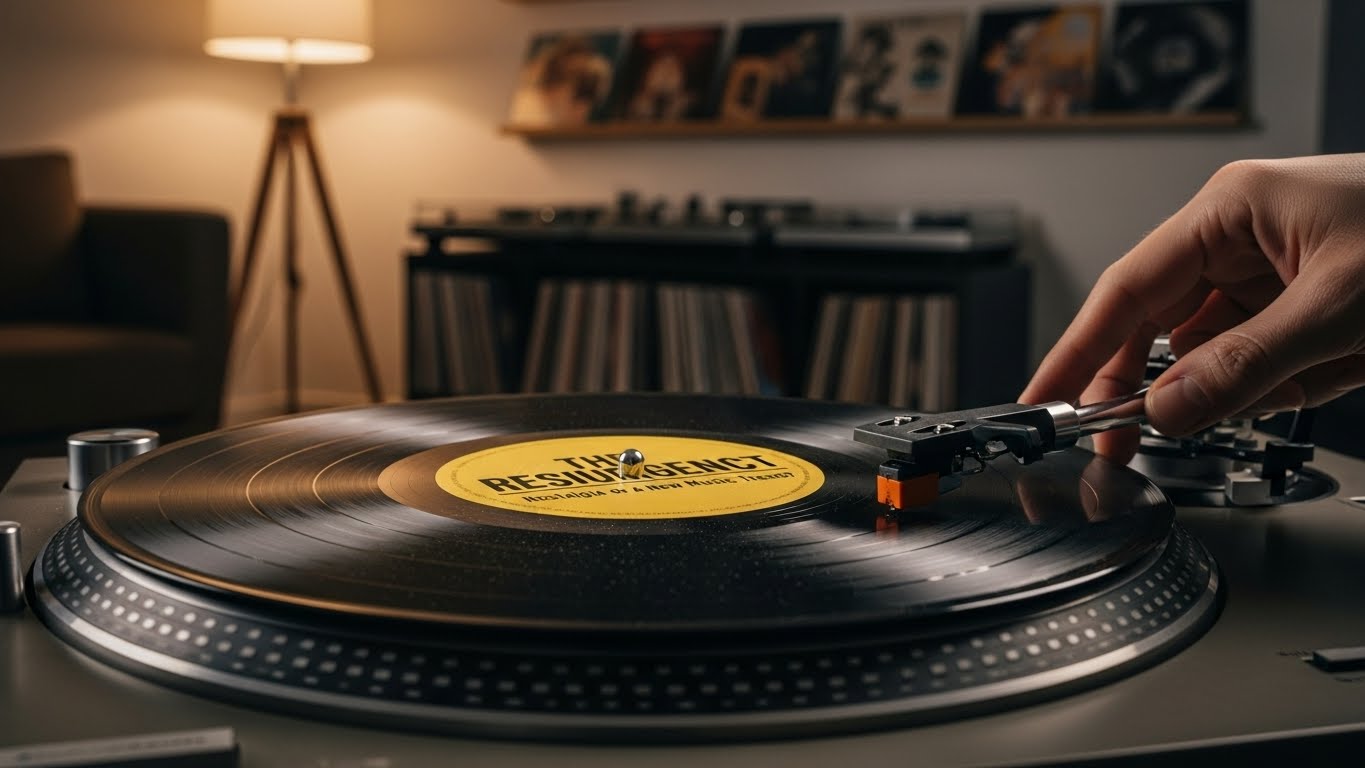
Beyond sound quality, vinyl records offer something digital formats cannot: tangibility. The physical act of placing a record on a turntable and gently lowering the needle is an experience cherished by many. The sleeve art, liner notes, and even the smell of a new record contribute to a multi-sensory experience that digital simply cannot replicate.
Vinyl and the Nostalgia Factor
Nostalgia plays a significant role in the resurgence of vinyl records. For older generations, spinning a vinyl record can evoke memories of a time when music was a shared experience, often enjoyed with friends and family in living rooms and basements. These memories are powerful, and for many, they make the act of playing a vinyl record a journey back in time.

However, it’s not just older generations that are driving the vinyl revival. Younger listeners are discovering the charm of vinyl through social media and influencers, who romanticize the retro aesthetic and lifestyle. The popularity of vinyl among younger audiences is further fueled by a desire for authenticity in a digital age where music is often consumed passively. This younger demographic is not only buying vinyl but also investing in turntables and speakers, signaling a deeper commitment to the format.
Collectibility and Artistic Expression
Vinyl records have long been seen as collectibles. Limited edition releases, colored vinyl, and rare pressings create a sense of exclusivity and ownership that digital music cannot offer. Collectors often seek out these unique items, driving demand and increasing the value of certain records over time. Platforms like Discogs have made it easier than ever to buy, sell, and trade vinyl records, further fueling the collector’s market.
Moreover, vinyl records offer artists a larger canvas for expression. Album covers become works of art, with intricate designs and high-quality prints that contribute to the overall narrative of the music. This artistic element extends to the records themselves, with many artists opting for custom designs and etchings on the vinyl, transforming each record into a unique piece of art.
The Role of Independent Record Stores
Independent record stores have played a crucial role in the vinyl resurgence. These stores often serve as cultural hubs within their communities, hosting live performances, signings, and other events that bring music lovers together. The annual Record Store Day celebrates this community spirit by offering exclusive releases and special events, drawing crowds of enthusiastic vinyl collectors.
In a digital age where music can be easily accessed from anywhere, record stores provide a tactile and communal experience that connects people through shared interests. The resurgence of vinyl has breathed new life into these stores, allowing them to thrive in a market that once seemed destined for extinction.
Environmental Considerations
As with any physical product, vinyl records come with environmental considerations. The production of vinyl involves the use of PVC, a plastic that raises concerns about sustainability. However, many record labels and manufacturers are taking steps to address these issues. Some are exploring environmentally friendly alternatives, such as recycled vinyl and eco-friendly packaging.
Furthermore, the longevity of vinyl records means they are less likely to be discarded quickly, unlike many of the fast-fashion products prevalent in today’s consumer culture. Collectors often keep their records for decades, passing them down through generations, which can be seen as a more sustainable approach to music consumption.
The Future of Vinyl Records
The resurgence of vinyl records shows no signs of slowing down. While digital streaming will undoubtedly continue to dominate the music industry, vinyl offers an alternative that appeals to those seeking a deeper connection with their music. Artists and labels are increasingly recognizing the value of vinyl, with many choosing to release their music in this format alongside digital releases.
The future of vinyl records will likely see a continued emphasis on quality and uniqueness. As technology advances, the production of vinyl records is becoming more sophisticated, allowing for even higher fidelity and artistic expression. This evolution, combined with a growing appreciation for physical media, suggests that vinyl will remain a vital part of the music landscape for years to come.
Conclusion: More Than Just a Trend
While nostalgia has played a significant role in the vinyl revival, it is not the sole factor driving this trend. The superior sound quality, the tangible experience, the artistic expression, and the community aspect all contribute to vinyl’s enduring appeal. For many, vinyl records represent a deliberate choice to slow down and savor music, offering a counterbalance to the fast-paced, ephemeral nature of digital consumption.
The resurgence of vinyl records is a testament to the enduring power of music as a physical medium. Whether driven by nostalgia or a genuine appreciation for the format, vinyl records have carved out a significant niche in the modern music landscape. As more people discover the joys of vinyl, its status as more than just a fleeting trend becomes increasingly clear. In the end, the vinyl revival is not just about looking back; it’s about redefining how we experience music in a digital age.
The Influence of Modern Artists on Vinyl’s Popularity
The role of contemporary artists in the vinyl resurgence cannot be underestimated. Many modern musicians are choosing to release their albums on vinyl to tap into its growing popularity and to provide a more personal connection with their fans. This trend is not limited to any one genre; artists across the musical spectrum, from indie to hip-hop to pop, are embracing vinyl as a legitimate format for their music.
High-profile releases on vinyl often come with added value, such as bonus tracks, exclusive artwork, or special packaging, which entice collectors and casual fans alike. This strategy not only boosts sales but also strengthens the bond between artist and listener. As artists continue to explore innovative ways to present their work on vinyl, the format’s appeal will likely continue to expand.
Revival of Vinyl Pressing Plants
The demand for vinyl records has led to a revival of pressing plants, some of which had been dormant for decades. New facilities are also opening to meet the growing demand, investing in modern technology to produce high-quality records more efficiently. This resurgence has created jobs and sparked innovation within the industry, as plants experiment with new materials and processes to enhance sound quality and sustainability.
With the increase in production capacity, more artists can release their music on vinyl, further feeding the cycle of demand and supply. The revival of pressing plants highlights the viability of vinyl as a sustainable business model within the music industry.
The Role of Technology in Vinyl’s Comeback
While vinyl is often seen as an analog alternative to digital formats, technology has played a key role in its comeback. Modern turntables are equipped with features like USB connectivity, allowing users to digitize their vinyl collections with ease. This blend of old and new technology caters to diverse consumer needs, making vinyl accessible to a broader audience.
Furthermore, advancements in audio equipment have enhanced the listening experience. High-fidelity speakers, amplifiers, and headphones complement vinyl’s rich sound, providing an immersive experience that appeals to both purists and new listeners.
Challenges Facing the Vinyl Industry
Despite its resurgence, the vinyl industry faces challenges. Production bottlenecks and the limited number of pressing plants can lead to long wait times for new releases. Additionally, the cost of vinyl records, influenced by production expenses and the collector’s market, can be prohibitive for some consumers.
Addressing these challenges requires investment in infrastructure and innovation. As the industry continues to grow, collaboration between artists, labels, and manufacturers will be essential to overcoming these hurdles and ensuring vinyl’s continued success.
Vinyl’s Impact on Music Discovery
The tactile nature of vinyl encourages listeners to engage more deeply with music. Unlike digital platforms, where songs can be easily skipped or shuffled, vinyl encourages a more intentional listening experience. This format often leads to the discovery of hidden gems within an album, tracks that might otherwise be overlooked in a digital playlist.
Record stores also play a role in music discovery, often featuring staff recommendations and curated selections that introduce customers to new artists and genres. This curated experience is one of vinyl’s unique strengths, fostering a sense of exploration and surprise that digital platforms struggle to replicate.
The Cultural Significance of Vinyl
Vinyl records have become cultural icons, representing a bridge between the past and present. They are featured prominently in films, TV shows, and pop culture, symbolizing authenticity and rebellion against the digital tide. This cultural significance has contributed to vinyl’s allure, making it not just a format for music but a statement of identity and taste.
As vinyl continues to permeate popular culture, its influence extends beyond music, affecting fashion, design, and lifestyle trends. The vinyl revival is a cultural movement as much as it is a musical one, redefining how we engage with art and media.
Conclusion: A Symbiotic Relationship
The resurgence of vinyl records illustrates a fascinating symbiotic relationship between nostalgia and modern innovation. While some are drawn to vinyl for its retro appeal, others are captivated by its superior sound quality and tangible nature. This duality has allowed vinyl to thrive in a digital world, offering a physical connection to music that resonates with listeners of all ages.
As the music industry continues to evolve, vinyl remains a constant, a testament to the enduring power of physical media in an increasingly digital age. Whether as a collector’s item, an artistic expression, or a cherished listening experience, vinyl records are more than just a trend—they are a vibrant part of the music ecosystem, here to stay.