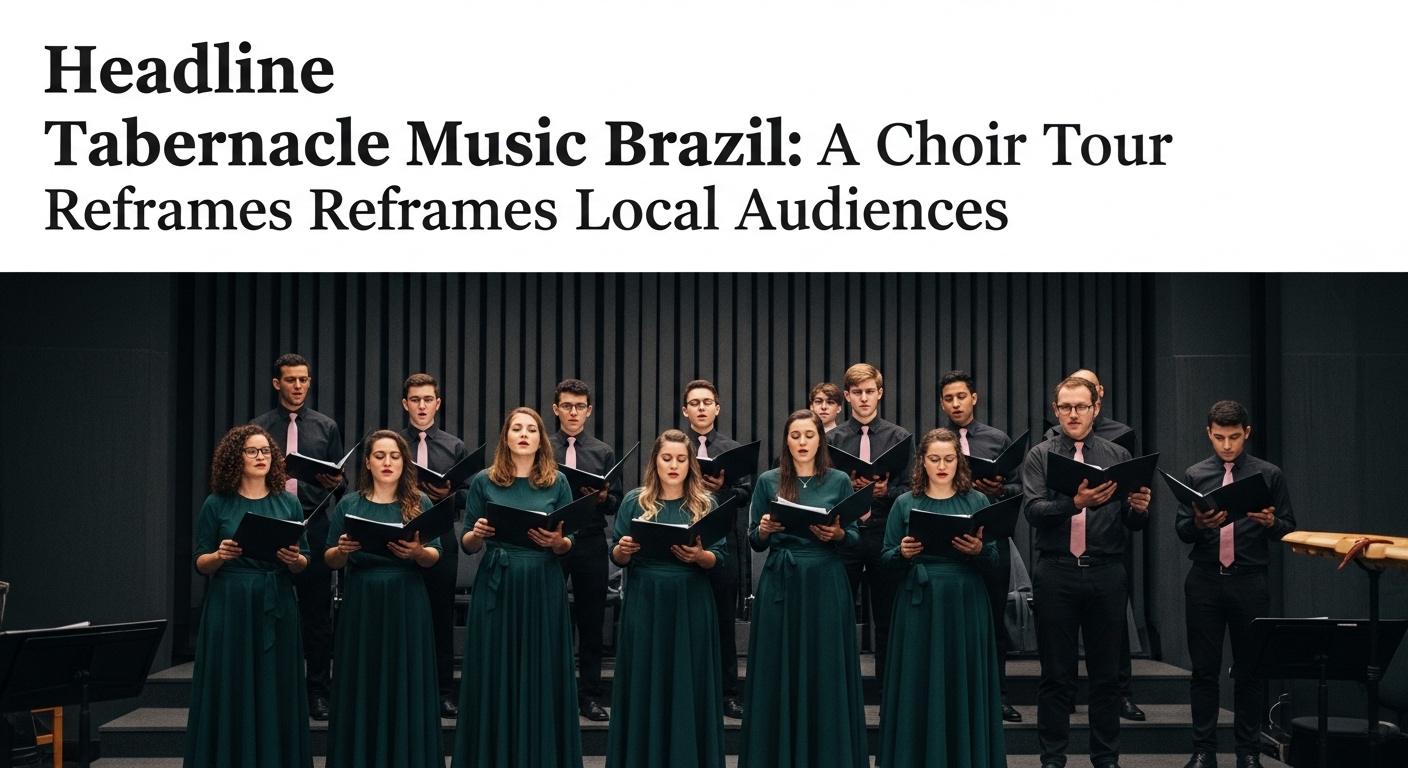
Concert scene featuring a choir and orchestra on a Brazilian stage during a touring program.
Updated: April 15, 2026
In the brazilian Music Brazil ecosystem, diversity is a daily constant as artists blend samba, MPB, trap, and pop in crowded venues and on streaming platforms. This analysis looks beyond hit records to understand how a broad spectrum of styles negotiates price pressures, audience expectations, and international attention in the era of digital distribution.
Context: Brazil’s Music Economy and Global Flows
Brazil’s music economy sits at a crossroads between traditional live circuits and digital distribution. Major concerts, festival circuits in São Paulo, Rio de Janeiro, and other cities generate sizable revenue, while streaming platforms grant exposure to artists who historically relied on radio or niche circuits. The country’s diversity creates both risk and resilience: you can monetize a regional sound in a global market, but you must navigate translation of style into broader appeal. The “brazilian Music Brazil” umbrella encompasses sertanejo, samba, forró, funk carioca, choro, and emerging urban genres that fuse lively rhythms with contemporary production. In recent years, the export potential of Brazilian acts has increased as international audiences discover tracks on playlists and social media, but friction remains, including licensing complexities and touring costs that can erode margins for smaller acts. Analysts say the most durable growth comes from a hybrid model that pairs high-energy live shows with sustained streaming presence and targeted collaborations.
Cross-Genre Collaborations and Audience Dynamics
Cross-genre collaborations have become a staple of Brazil’s music scene, reflecting a generation of artists who move fluidly between samba, funk, bossa, and pop. These collaborations help older listeners reconnect with new sounds while attracting younger fans who discover music through memes, reels, or curated playlists. The audience is fragmented geographically and socially, with major capitals driving trends and regional scenes piloting experiments that later gain national traction. In this environment, producers emphasize craft over star power, and labels increasingly invest in development pipelines that nurture new voices before they hit mainstream playlists. The result is a more resilient ecosystem, even as revenue from album sales remains a secondary stream to live events and streaming rights. The tension between authenticity and mainstream reach often shapes decisions about where to perform, what language to sing in, and how to brand a project for international audiences, particularly when Brazilian artists aim to cross over into Portuguese-language or bilingual markets.
Technology, Media, and the Streaming Landscape
Streaming platforms have democratized discovery, but they also sharpen competition. Curated playlists, algorithmic radio, and regional micro-targeting allow people in Brazil to find niche scenes as easily as a pop hit; they also raise expectations for consistent output and branding across social channels. For artists, data jumps from metrics like monthly listeners to engagement KPIs on short-form video, which can influence songwriting choices and release cadences. The industry is learning to monetize streams with local licensing deals, sponsorships, and event-based revenue, while navigating taxation and rights management. Media coverage, too, shapes perception: interviews, documentary pieces, and live-streamed performances create resonance that can convert casual listeners into fans who support tours and limited-edition releases. In short, the technology layer amplifies both opportunity and scrutiny, demanding strategic planning from artists, managers, and label executives alike.
Policy and Cultural Identity in the Digital Age
Policy considerations—funding schemes, cultural tax incentives, and copyright regimes—play a critical role in sustaining a vibrant Brazilian music scene. Public and private investment in cultural infrastructure, from rehearsal spaces to streaming rights education, helps fledgling genres scale without losing their roots. Cultural identity remains a central concern as artists navigate the tension between global appeal and local significance. The digital age enables communities to organize around shared sounds, seasonal festivals, and city-specific scenes, but it also requires deliberate curation to preserve the distinct flavors that define Brazilian music. In practice, artists and industry bodies advocate for transparent licensing, fair compensation for creators, and predictable regulatory environments that reduce risk for small venues and independent labels.
Actionable Takeaways
- Invest in cross-genre collaborations that reflect Brazil’s diverse sound palette and can travel across markets without erasing local roots.
- Strengthen the live circuit with sustainable touring models that balance big-city demand and regional scenes to broaden fanbases.
- Leverage data-driven strategies from streaming and social platforms to guide release schedules, branding, and audience targeting.
- Support independent labels and artist development programs to nurture new voices and reduce barriers to entry for emerging genres.
- Engage with policy and cultural institutions to advocate for fair licensing, funding, and export-friendly regulations that protect creators.
Source Context
Contextual links to related coverage illustrate how cross-cultural exchanges influence music scenes beyond Brazil. These examples highlight broader patterns in arts collaborations and audience engagement that resonate with the brazilian Music Brazil narrative: