week Music Brazil: Week in Brazilian Music: A Deep Analysis of Brazi
Updated: April 12, 2026
Introduction: A Country of Musical Diversity
Brazil’s music is a rich tapestry woven from diverse influences, encompassing genres like samba, bossa nova, and funk carioca. The past decade has seen a dynamic evolution in the music scene, as younger artists embrace innovative styles and platforms, reshaping traditional sounds. This analysis delves into the ongoing transformations within Brazil’s music landscape, examining the factors contributing to this evolution.
Generation Alpha and the Digital Influence
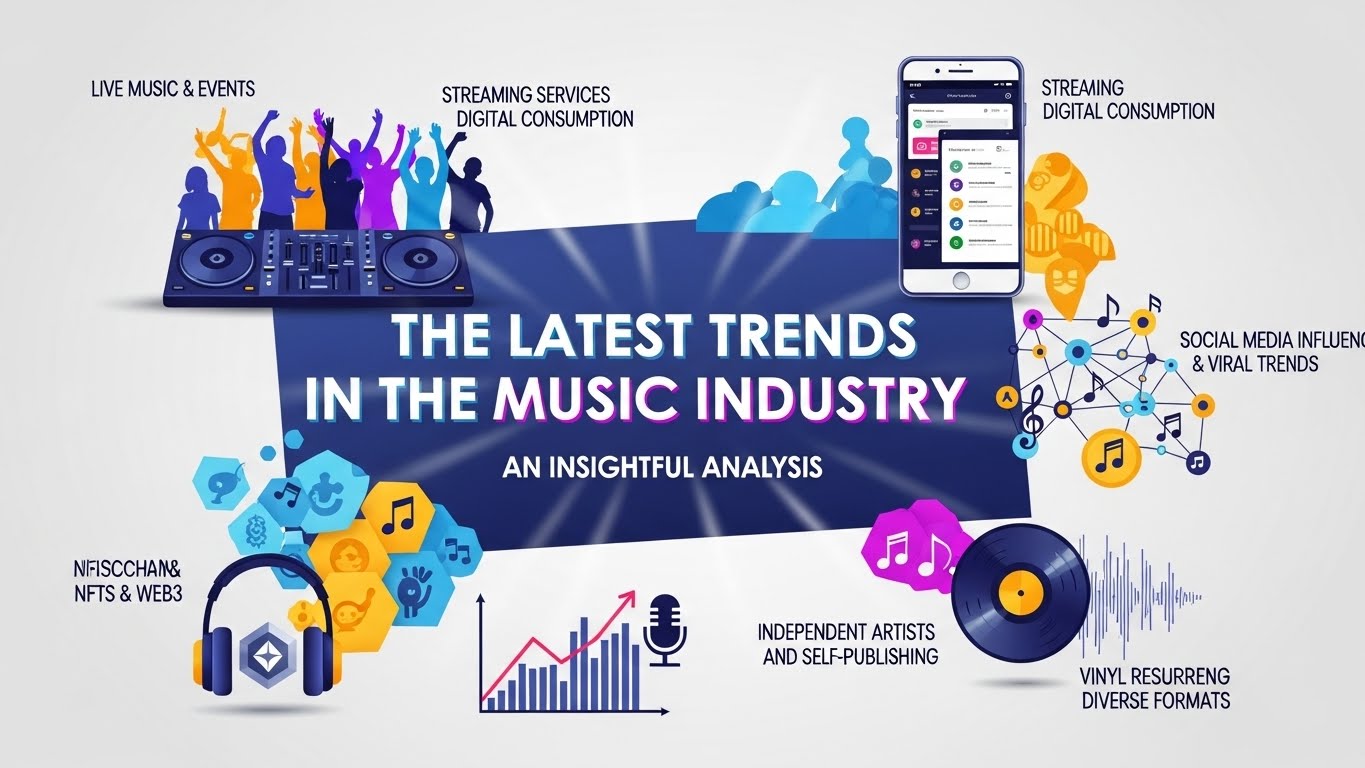
As Generation Alpha emerges, their preferences are shifting the musical landscape. This generation, born from 2010 onwards, is more connected than ever, with immediate access to global music trends. Platforms like TikTok and YouTube are not just tools for discovery; they are shaping how music is produced and consumed. Brazilian artists are increasingly using these platforms to showcase their work, reaching international audiences without traditional barriers.
For instance, artists like Anitta and Pabllo Vittar have successfully leveraged social media to propel their careers, blending Brazilian rhythms with pop and electronic music. Their innovative styles resonate with younger audiences, showcasing the fusion of traditional Brazilian sounds with global music trends.
Embracing Fusion: The New Sound of Brazil
The fusion of genres is a hallmark of contemporary Brazilian music. Artists are mixing samba with hip-hop, bossa nova with electronic beats, and MPB (Música Popular Brasileira) with pop influences. This eclectic approach reflects Brazil’s multicultural society and its ever-evolving identity.
Take the rise of “phonk” music, a genre that originated in the U.S. but has found a unique expression in Brazil. Artists from urban centers like São Paulo and Rio de Janeiro are adopting phonk’s distinctive sound to create music that resonates with local experiences while appealing to a global audience. This genre’s growth signifies a broader trend of blending local sounds with international music styles.
The Role of Technology in Music Production
Advancements in technology have democratized music production, allowing artists from all backgrounds to create and distribute their music independently. Home studios and affordable software have made it easier for emerging musicians to experiment with sounds and styles previously confined to professional studios.
This shift has led to a surge of creativity in Brazilian music, with new artists entering the scene regularly. Collaborations across genres are becoming commonplace, fostering a vibrant ecosystem that encourages experimentation. Moreover, the use of streaming platforms allows for immediate feedback, enabling artists to refine their craft based on audience reactions.
Cultural Preservation Amidst Change
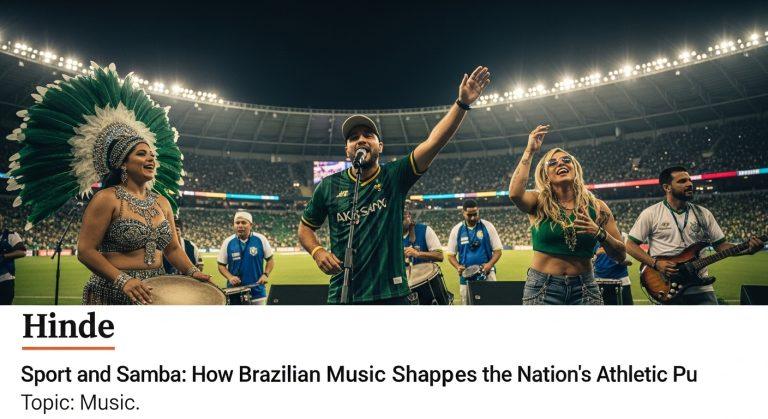
While innovation is at the forefront, there is also a strong movement focused on preserving Brazil’s musical heritage. Artists and cultural organizations are working to keep traditional sounds alive, ensuring that genres like samba and forró continue to thrive. Festivals celebrating these genres are gaining popularity, attracting both local and international tourists.
This dichotomy between preservation and innovation illustrates the complexity of Brazil’s music scene. While new artists are breaking boundaries, they often draw inspiration from their roots, creating a dialogue between the past and present.
Conclusion: The Future of Brazilian Music
The evolution of Brazil’s music scene is a testament to the nation’s resilience and creativity. As young artists forge new paths while honoring their cultural heritage, the music landscape will continue to diversify. This evolution is not merely a trend; it represents a cultural shift that reflects Brazil’s dynamic society.
Actionable Takeaway
For music lovers and aspiring artists in Brazil, engaging with both traditional and contemporary styles is essential. Support local artists by attending concerts and exploring new genres to help sustain the vibrant music culture.