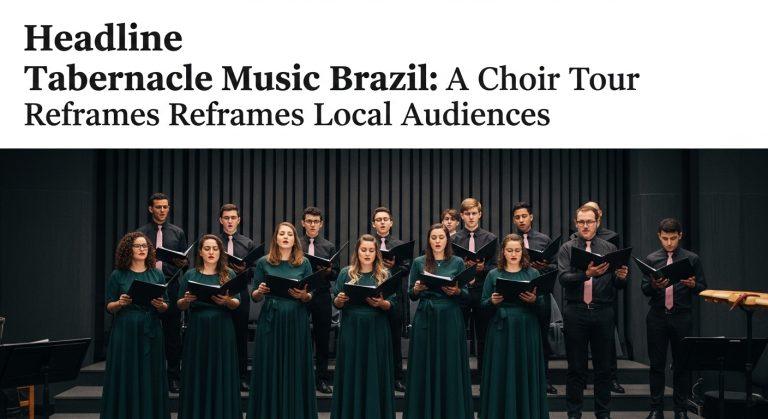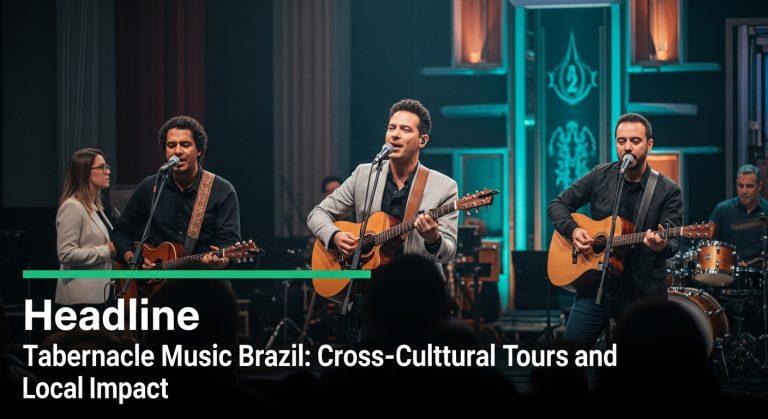
In the current moment, brazilian Music Brazil stands at a crossroads where global collaborations, streaming data, and live-audience demands collide, prompting a rethinking of how artists reach fans and monetize innovation across borders.
The Global Stage and the Brazilian Sound
Across continents, Brazilian rhythms are increasingly braided with conventions from classical, pop, and urban genres. Streaming platforms widen the reach of samba, forró, and MPB beyond regional markets, while diaspora communities in North America and Europe create listening habits that reward hybrid forms. This dynamic is not just about export numbers; it’s about how the Brazilian musical imagination negotiates tradition with experimentation. When a rhythm associated with a local festival or carnival meets a chamber orchestra or an international pop star, the result can be a new audience map—one where listeners discover familiar grooves in unfamiliar arrangements and where songs travel in forms that reflect plural identities.
Ivete Sangalo and the Cross-Border Moment
Recent performances featuring iconic Brazilian artists alongside international ensembles illuminate a broader pattern: artists who command domestic stages are increasingly stepping onto globalized platforms, not as guests of a single genre but as ambassadors for a plural sound. The reported surprise guest appearance by Ivete Sangalo at Tabernacle Choir and Orchestra concerts in São Paulo exemplifies this shift. By aligning a widely loved Brazilian pop voice with a traditional choral and orchestral setting, promoters test how Brazilian audiences and international listeners respond to hybrid formats. The potential ripple effects matter: heightened streaming attention, more festival bookings that prize cross-cultural programming, and a scaffold for bilingual, cross-market campaigns that keep the artist visible in two or more ecosystems at once. Critics may warn that such pairings risk flattening distinct identities; proponents argue they enlarge the fanbase, diversify revenue streams, and strengthen cultural diplomacy in a way that benefits both local scenes and global listeners.
Drivers of Cross-Genre Collaborations
Several forces converge to push Brazilian music toward cross-genre experimentation. Economic incentives from streaming platforms reward music that travels well across borders, while festival organisers seek headline acts capable of drawing diverse audiences. Cultural drivers—rhythms rooted in samba, forró, and funk carioca—are not simply exported; they are reinterpreted in collaboration with orchestras, chamber groups, or artists from adjacent genres. The Brazilian music ecosystem also benefits from a growing cadre of producers, engineers, and programmers who speak multiple musical languages, enabling smoother fusion and more polished live productions. For audiences, the appeal lies in the unfamiliar made accessible: a familiar groove wearing new tonal skins, a familiar chorus sung in a language that can be translated through arrangement and performance style. This bundling of local identity with international form creates a template for artists who want to reach international venues without surrendering their roots.
Actionable Takeaways
- Artists and management should pursue strategic collaborations with international ensembles, while preserving core cultural signatures and providing bilingual performance options.
- Promoters and venues can develop hybrid formats that showcase Brazilian rhythms alongside classical or contemporary crossovers, supported by transparent licensing and clear revenue-sharing models.
- Policy makers and funders should consider grants that incentivize cross-genre co-productions, with emphasis on local talent development and cross-border distribution plans.
- Media and educators can build editorial and curricular programs around case studies of hybrid performances to educate audiences about cultural exchange and creative economies.
- Music businesses should invest in audience research that tracks reception across regions, languages, and formats to inform future touring and streaming strategy.
Source Context
For reference, the following articles provide contemporary examples that frame the discussion: Ivete Sangalo surprise guest at Tabernacle Choir concerts in São Paulo; Voices of Liberty, Even in Prison; Bad Bunny Honors Brazilian Football Icon Pelé During Concert.
From an editorial perspective, separate confirmed facts from early speculation and revisit assumptions as new verified information appears.
Track official statements, compare independent outlets, and focus on what is confirmed versus what remains under investigation.
For practical decisions, evaluate near-term risk, likely scenarios, and timing before reacting to fast-moving headlines.
Use source quality checks: publication reputation, named attribution, publication time, and consistency across multiple reports.
Cross-check key numbers, proper names, and dates before drawing conclusions; early reporting can shift as agencies, teams, or companies release fuller context.