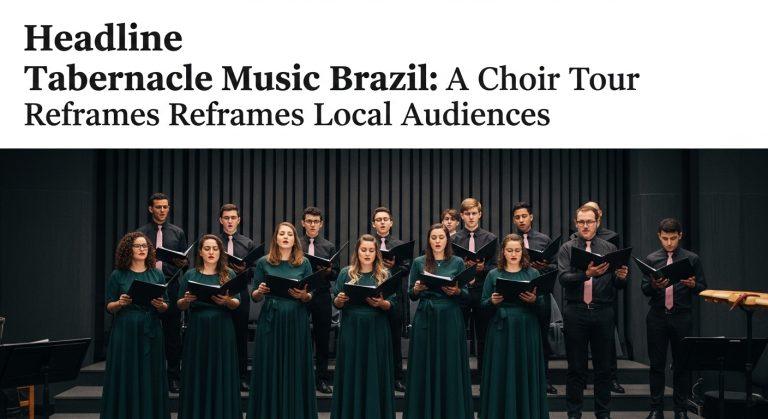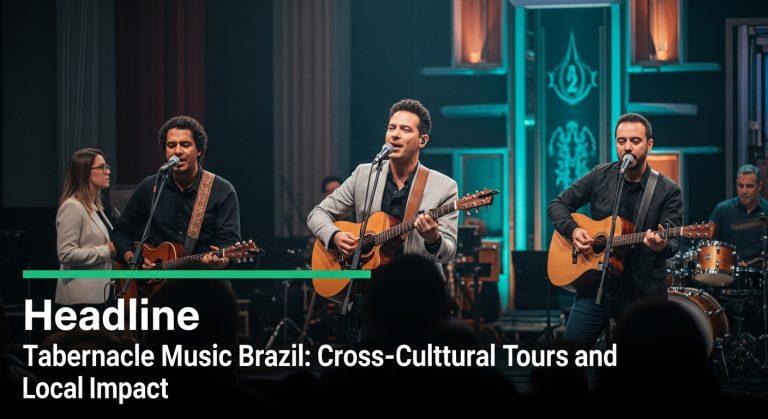
In the evolving landscape of brazilian Music Brazil analysts say the sector’s resilience rests on a careful blend of tradition and innovation, where ancestral rhythms meet streaming driven discovery and cross border collaborations. This analysis looks at how culture, technology, and policy intersect to shape how artists reach audiences, how venues sustain themselves, and how fans navigate a rapidly changing soundscape across Brazil today.
Context and Trends in a Changing Market
Brazilian music economy is expanding beyond traditional hubs like Rio and Sao Paulo. Streaming platforms have democratized discovery, allowing regional styles such as forro, bossa nova, samba funk and sertanejo to reach national audiences. The shift from physical media to digital formats has lowered entry barriers for independent artists, while placement on curated playlists and platform playlists can scale a single track into a cultural moment. In addition, cross genre collaborations between pop, hip hop, and regional folk traditions have increased, enabling a wider set of listeners to engage with the music while sustaining artists who operate outside mainstream circuits. The diaspora audience in cities outside Brazil and Brazilians living abroad keep demand steady for live shows, remixes, and archival recordings. Such dynamics create a feedback loop: more streams lead to more tour opportunities, while live performances feed social media visibility and fan loyalty. The result is a more porous market where music scenes in Recife, Salvador, Belo Horizonte and other cities can influence national trends rather than relying on a single capital to set the pace.
Economic and Cultural Echoes of Live Music
Live music remains a crucial revenue axis for Brazilian artists, even as streaming drives attention and licensing enables new income streams. Venues large and small, from festival fields to intimate clubs, are experimenting with programming that blends tradition with contemporary sounds. Obvious examples include festivals that feature regional acts alongside international guests, creating occasions for cross pollination that can translate into long term touring opportunities and sponsorship deals. The social and economic value of these events extends beyond ticket sales. Local economies benefit from hospitality, transport, and media attention, reinforcing a network that sustains artists who might not fit the mass market. In São Paulo and across major cities, the capacity to translate recorded success into stage reality depends on robust touring infrastructure, clear licensing arrangements, and partnerships between labels, venues and broadcasters. This ecosystem also encourages young producers and engineers who can apply modern production techniques to traditional repertoires, ensuring that live performance remains relevant in a crowded digital marketplace.
Policy, Platforms, and Creative Vitality
Platforms that host music are shaping the incentives for production and distribution in Brazil. Algorithmic playlists, rights management for licensing, and data-driven marketing strategies influence which sounds surface to new listeners. As artists navigate copyright and compensation, clearer licensing frameworks help sustain a higher standard of practice and foster experimentation. Closely watched issues include fair revenue sharing with independent creators, transparent reporting from platforms, and support for regional labels that represent diverse communities. Policymakers and industry groups are increasingly attentive to the needs of emerging talents who use digital channels to reach audiences at home and abroad. When artists can monetize streams, performances, and sync opportunities more predictably, creativity tends to flourish, blending samba with urban beats, forro with pop, and regional forms with global styles.
Actionable Takeaways
- Foster cross genre collaborations that bring traditional Brazilian styles into contemporary contexts, expanding audience reach without diluting roots.
- Invest in regional artist development and sustainable live venues to strengthen local scenes and feed national cycles.
- Diversify revenue through live performances, streaming optimizations, sync licensing, and merch to reduce dependence on a single income stream.
- Leverage live streaming and hybrid events to extend audiences beyond geographic limits while creating continuous fan engagement.
- Support transparent rights management and fair compensation practices to encourage creators to invest in quality productions.
Source Context
Related coverage from the candidate sources provides a sense of how Brazilian music intersects with global platforms and cross cultural performances.
From an editorial perspective, separate confirmed facts from early speculation and revisit assumptions as new verified information appears.