Across Brazil, hope Music Brazil stands at a crossroads where global acts, local traditions, and new media shape what audiences expect from popular song and staged performance. The phrase itself signals more than optimism: it anchors a broader inquiry into how concert circuits, gospel choirs, and theatrical musicals illuminate a country already saturated with diverse sounds. In recent months, Brazilian fans have encountered a spectrum of experiences—from the reverent hush before the Tabernacle Choir’s concerts to the electric spectacle of Tina Turner’s Brazilian premiere in São Paulo, and the steady cadence of Latin-influenced tours such as Bad Bunny across major cities. These moments are not isolated; they form a pattern in which international visibility interacts with domestic taste, inviting musicians, promoters, and policymakers to rethink how music can cultivate hope, resilience, and shared identity in a nation with a remarkably varied playlist. This analysis considers how hope Music Brazil is negotiated on stages large and small, and what it might mean for the future of a national music ecosystem that still draws energy from regional rhythms, church-rooted communities, and rising digital platforms.
Raising the Voice: Brazil as a Laboratory for Global Acts
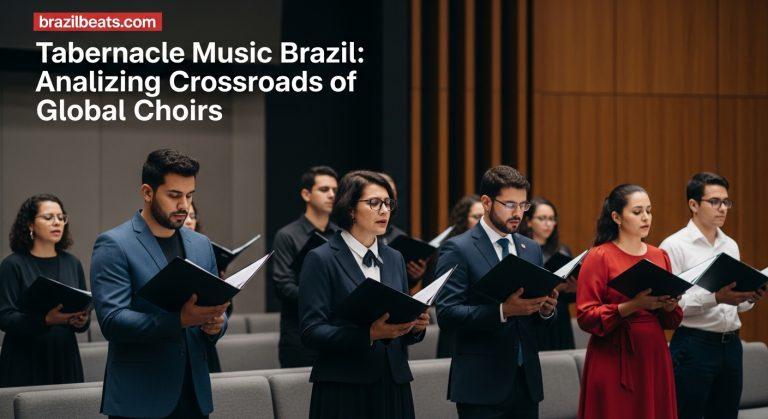
Brazil has long been an arena where international tours test local tolerance for scale, spectacle, and cross-cultural storytelling. The Tabernacle Choir’s engagement in Brazil, as covered by Church News outlets, highlights music as a vehicle for shared values and communal experience rather than sheer spectacle. For Brazilian listeners, the attraction lies not only in the harmonies but in what collective singing can signify—a bridge between faith-based and secular publics, a reunion of diverse communities around universal themes like hope, endurance, and unity. Promoters find new revenue models in such engagements: tours that combine residency programming, educational outreach, and cultural diplomacy can broaden audiences beyond traditional urban centers while offering stable partnerships with civic institutions and faith organizations.
Meanwhile, São Paulo’s cultural calendar has welcomed the Brazilian premiere of a Tina Turner musical, a production that translates global Broadway conventions into a Brazilian context through language, casting, and local production teams. The opening nights signal a willingness among Brazilian audiences to invest in large-scale, theater-first experiences that nonetheless sit within a broader music economy—rehearsal spaces becoming creative hubs, sponsorship packages aligning tourism with arts funding, and festival-like rhythms that extend the run beyond standard theater windows. These musical theater ventures do more than entertain; they test the capacity of Brazilian cities to host multi-layered productions that fuse international narratives with local sensibilities.
In the wider concert ecosystem, Latinx and Latin American artists—ranging from reggaeton to pop-driven balladry—have progressively drawn larger crowds by foregrounding identity, bilingual repertoires, and collaborative aesthetics. The recent Brazilian appearances of Bad Bunny have been interpreted as evidence that Latinidad remains a dynamic engine for mainstream appeal, capable of expanding audiences while challenging conventional genre boundaries. The practical takeaway for local organizers is that cross-cultural resonance can be scaled through careful programming: aligning acts with community hubs, tailoring marketing to multilingual audiences, and building programming that respects regional musical identities within a continental frame.
Economic and Cultural Currents Driving Cross-Border Music
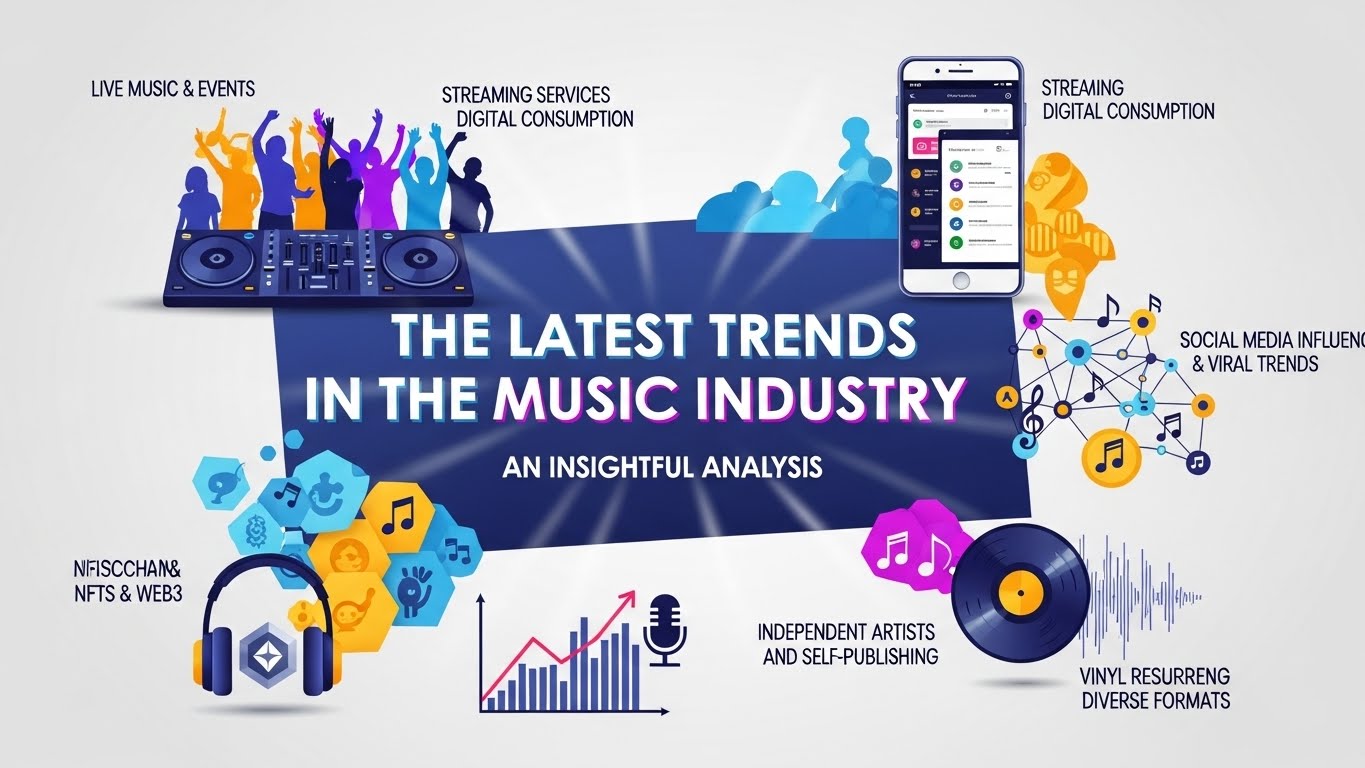
The resurgence of global touring in Brazil interacts with three interlocking currents: streaming, live-venue infrastructure, and cross-border collaboration. Streaming platforms help bridge the gap between local scenes and international demand, enabling Brazilian listeners to discover and sustain interest in artists who might not yet occupy the traditional festival circuit. At the same time, the economics of large-scale tours—logistics, crew requirements, venue capacities, and insurance—demand sophisticated partnerships between promoters, cultural institutions, and municipal governments. In response, Brazilian venues are recalibrating to balance price sensitivity with demand for premium experiences, often blending ticketing tiers, pre-show events, and family-oriented programming to widen the audience base.
Policy and finance play a complementary role. Public cultural funds, private sponsorships, and international co-productions can unlock projects that would be financially risky in a single-market framework. The Tina Turner musical’s premiere illustrates how theatrical productions can serve as economic multipliers—creating jobs in design, stagecraft, and hospitality while drawing visitors to cities that benefit from extended tourism. For Brazilian producers and artists, the implication is clear: a robust cross-border music economy requires not only star-power but a network of regional talent pipelines, bilingual marketing capabilities, and flexible terms for collaboration across disciplines—from live music to theater and education programs.
A Framing for Hope: Local Artists and Global Narratives
Local artists are increasingly negotiating identity within a global narrative that values hybridity. The presence of international tours in Brazilian markets creates a benchmark against which domestic artists can measure reach, production quality, and audience expectations. Yet the most significant shift lies in how Brazilian musicians contextualize global influences within their own repertoires. Rather than merely replicating trends, artists are adapting global storytelling templates to local languages, rhythms, and performance practices—creating hybrid works that appeal to both traditional fans and new listeners drawn by universal motifs like resilience, community, and aspiration. In this framework, hope Music Brazil translates into practical outcomes: more collaborations across genres and borders, more opportunities for regional acts to appear on international billings, and more venues experimenting with programming that integrates gospel, traditional samba, and contemporary pop within a single season.
The cross-pollination is not without tension. Local venues and festival organizers must navigate licensing, cultural permissions, and the risk of market fatigue when week-long runs feature multiple international performances. The key to sustainable growth is a strategy that honors Brazil’s regional diversity while keeping a coherent, inclusive narrative about music as a lifeworld—one where art, faith, and civic life inform each other in meaningful ways. In short, hope Music Brazil is not only a sentiment but a governance framework that encourages audience development, worker training, and long-term investment in infrastructure that can support diverse forms of making and sharing music.
Looking Ahead: Policy, Platforms, and Participation
As Brazil contends with competing demands—from safeguarding local cultures to embracing global market opportunities—the recovery and growth of its music sector hinges on thoughtful policy and platform-enabled participation. Public funding that targets mid-sized venues and regional circuits can help sustain a steady stream of performances that diversify the touring calendar beyond the capital cities. Digital platforms, meanwhile, offer tools for data-driven audience development: localized playlists, multilingual metadata, and analytics that reveal interest in cross-genre collaborations. The real challenge is ensuring equitable access to these resources for emerging artists across Brazil’s diverse regions, so that the next wave of acts can grow in tandem with international opportunities. The long-term value lies in cultivating an ecosystem where artists, venues, educators, and policymakers co-create cultural value, so that every performance contributes to a broader, more inclusive narrative of national music life.