How Gravadoras & Selos are Navigating the Digital Age: Challenges and Opportunities
In the rapidly evolving landscape of the music industry, gravadoras (record labels) and selos (labels or imprints) face unprecedented challenges and opportunities brought about by the digital age. The shift from physical media to digital formats has transformed the way music is produced, distributed, and consumed. This blog post explores how gravadoras and selos are adapting to these changes, the hurdles they encounter, and the potential for growth in this new era.
The Transformation of Music Distribution
The transition from physical to digital distribution has been one of the most significant changes in the music industry. In the past, record labels relied heavily on physical sales of CDs and vinyl records. Today, digital distribution through platforms like Spotify, Apple Music, and YouTube has become the norm.
Gravadoras have had to adapt by developing digital strategies to promote their artists and reach wider audiences. This shift necessitates a comprehensive understanding of digital marketing techniques, including search engine optimization, social media engagement, and data analytics.
Moreover, the rise of streaming services has changed revenue models. Previously, record sales provided a significant income stream for artists and labels. Now, streaming royalties are a primary source of revenue, albeit with a different financial structure. This has led to a reevaluation of how artists are compensated and how labels manage their business models.
Challenges Facing Gravadoras & Selos
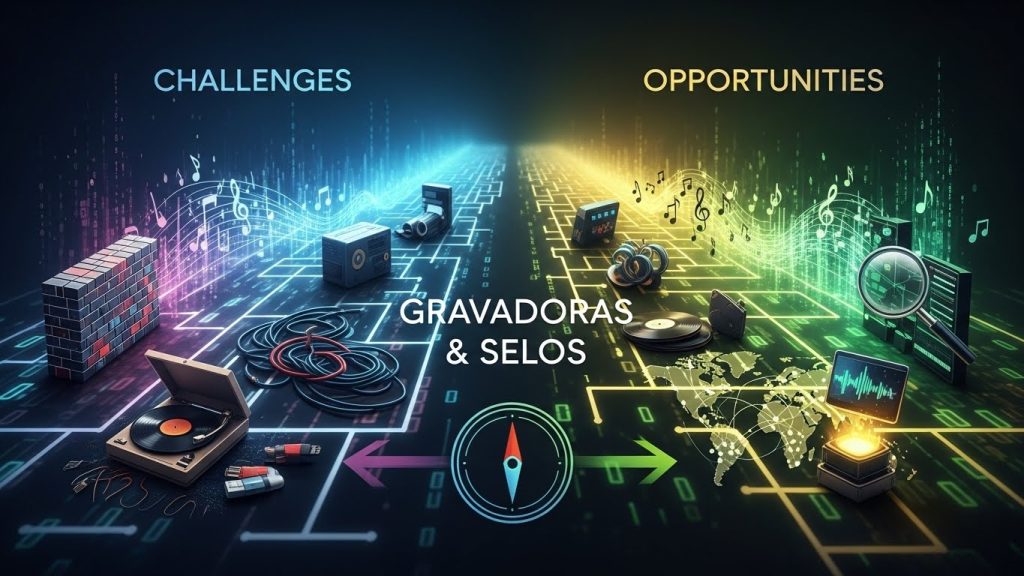
The digital age presents several challenges for gravadoras and selos. One major issue is the increased competition from independent artists who can distribute their music directly to audiences without the need for a traditional label. This democratization of music distribution means that labels must work harder to prove their value to artists.

Another challenge is the protection of intellectual property. With music easily accessible online, piracy and unauthorized distribution remain significant concerns. Gravadoras must invest in technologies and legal strategies to safeguard their artists’ works and ensure proper compensation for their use.
Additionally, staying relevant in an age of rapidly changing consumer preferences is a constant struggle. The music industry must continuously adapt to new trends, technologies, and platforms to maintain their position in the market.
Opportunities in the Digital Age
Despite these challenges, the digital age also offers numerous opportunities for growth and innovation. One of the most significant advantages is the ability to access a global audience. Digital platforms allow gravadoras and selos to reach listeners worldwide, breaking down geographical barriers that previously limited their market.
The availability of data analytics tools provides valuable insights into listener behavior and preferences. These insights enable labels to tailor their marketing efforts and make informed decisions about artist development and promotion. Understanding audience demographics, listening habits, and engagement levels can help labels target their resources more effectively.
Furthermore, digital platforms offer innovative ways to engage with fans. Social media, live streaming, and online events create new opportunities for artist-fan interaction, fostering a sense of community and loyalty. By leveraging these tools, gravadoras can build stronger relationships with their audiences and enhance their brand presence.
The Role of Technology in Artist Development
Technology plays a crucial role in the artist development process for gravadoras and selos. Digital tools facilitate everything from music production to marketing and distribution. For example, digital audio workstations (DAWs) and virtual instruments have revolutionized the way music is composed and recorded.
Moreover, online platforms provide artists with exposure and opportunities to collaborate with other musicians and producers worldwide. This connectivity can lead to innovative projects and cross-cultural collaborations that might not have been possible in the traditional music industry framework.
Additionally, blockchain technology is gaining traction as a means to ensure transparency and fairness in the music industry. Smart contracts can automate royalty payments and ensure that artists and creators receive their fair share of revenue. This technology has the potential to address longstanding issues related to artist compensation and intellectual property rights.
The Future of Gravadoras & Selos
Looking to the future, gravadoras and selos must continue to evolve and innovate to remain competitive. Embracing new technologies and business models will be essential for navigating the ever-changing digital landscape.
Collaboration between labels and streaming platforms will likely become more prevalent, with mutually beneficial partnerships that enhance music discovery and promotion. Labels may also explore new revenue streams, such as merchandise, live events, and exclusive content offerings, to diversify their income sources.
Furthermore, the integration of artificial intelligence (AI) and machine learning in the music industry promises exciting possibilities. AI can assist in music creation, marketing, and audience targeting, offering new ways to optimize operations and enhance the listener experience.
Takeaways
The digital age presents both challenges and opportunities for gravadoras and selos. While the shift towards digital distribution and streaming has disrupted traditional business models, it has also opened doors to new markets and innovative strategies. By embracing technology, leveraging data analytics, and fostering global connections, gravadoras can navigate this dynamic environment successfully.
As the music industry continues to evolve, gravadoras and selos that prioritize adaptability, creativity, and collaboration will be well-positioned to thrive in the digital age. The future holds immense potential for those willing to embrace change and explore the possibilities that technology offers in reshaping the way music is created, distributed, and enjoyed.
Embracing Innovation and New Business Models
One of the key aspects that gravadoras and selos must focus on is embracing innovation and exploring new business models. As the digital age continues to reshape the music industry, traditional methods may no longer suffice. Labels need to be agile, open to experimentation, and willing to take risks in order to stay ahead of the curve.
For instance, the rise of subscription-based streaming services has led to the exploration of bundling music with other forms of entertainment, such as video streaming or gaming. By creating unique partnerships and cross-promotions, gravadoras can tap into new audience segments that may have been previously inaccessible.
Additionally, the concept of direct-to-fan sales has gained traction, allowing artists and labels to sell music, merchandise, and exclusive content directly to their audience. This model not only increases revenue streams but also fosters a deeper connection between artists and fans, as it often involves personalized experiences and interactions.
Leveraging Social Media and Influencer Marketing
Social media has become an indispensable tool for gravadoras and selos to promote their artists and engage with audiences. Platforms like Instagram, TikTok, and Twitter offer a direct line of communication with fans, allowing for real-time interactions and feedback. By crafting compelling content and leveraging the power of social media influencers, labels can amplify their reach and visibility.
Influencer marketing has emerged as a powerful strategy to boost an artist’s profile and extend their reach to new listeners. Collaborating with influencers who align with the artist’s brand can introduce their music to a wider audience and drive engagement. These partnerships can take various forms, from sponsored posts to collaborative content creation.
Furthermore, social media analytics provide valuable insights into audience demographics and preferences. By analyzing this data, gravadoras can tailor their marketing strategies to better resonate with their target audience, optimizing their efforts and maximizing results.
The Growing Importance of Visual Content
In the digital age, visual content plays a crucial role in capturing audience attention and conveying an artist’s brand. Music videos, live performances, and behind-the-scenes footage offer fans a glimpse into an artist’s world, creating a more immersive and engaging experience.
Platforms like YouTube and Vimeo have become essential for promoting music videos and visual content. High-quality productions can go viral and significantly boost an artist’s visibility and fan base. Additionally, the rise of short-form video content on platforms like TikTok has further emphasized the importance of visuals in music promotion.
Gravadoras and selos must invest in creative visual content that reflects the artist’s identity and resonates with their audience. Collaborating with talented videographers, designers, and directors can help bring an artist’s vision to life and enhance their overall brand presence.
Navigating the Challenges of Monetization
Monetization remains a critical challenge for gravadoras and selos in the digital age. While streaming services offer access to vast audiences, the revenue generated from these platforms can be limited. Labels must diversify their income streams to ensure financial sustainability.
One approach is to explore alternative monetization methods, such as licensing deals, sync placements in films and commercials, and brand partnerships. These opportunities can provide significant revenue boosts and expose artists to new audiences.
Furthermore, the advent of blockchain technology and non-fungible tokens (NFTs) presents new avenues for monetization. Artists and labels can tokenize their music and offer unique digital collectibles to fans, creating additional revenue streams while providing fans with exclusive content.
The Role of Education and Professional Development
As the music industry continues to evolve, education and professional development have become crucial for gravadoras and selos. Keeping up with the latest trends, technologies, and industry practices requires ongoing learning and adaptation.
Labels must invest in training programs for their staff and artists, equipping them with the skills needed to navigate the digital landscape. Workshops, seminars, and industry conferences can provide valuable insights and networking opportunities, fostering growth and innovation.
Additionally, collaboration with educational institutions and music academies can help bridge the gap between emerging talent and industry professionals. By nurturing the next generation of artists and executives, gravadoras can secure a sustainable future for the music industry.
Conclusion: Embracing the Digital Future
The digital age presents a unique set of challenges and opportunities for gravadoras and selos. While the transition to digital formats has disrupted traditional business models, it has also unlocked new avenues for growth and innovation. To thrive in this evolving landscape, labels must embrace technology, explore new business models, and prioritize creativity and collaboration.
By leveraging digital tools, engaging with global audiences, and fostering strong artist-fan relationships, gravadoras can navigate the complexities of the digital age successfully. The future holds immense potential for those who are willing to adapt, innovate, and seize the opportunities that technology offers in reshaping the music industry.
As the industry continues to evolve, gravadoras and selos that prioritize flexibility, innovation, and collaboration will be well-positioned to thrive in the digital age. The journey may be challenging, but the rewards for those who embrace the digital future are boundless.
About the Author