Music Festivals Around the World: A Look at What’s Happening in the Global Music Scene
In the realm of cultural festivities, music festivals hold a special place. They are not just about the music, but also about the camaraderie, the celebration, and the vibrant exchange of cultures. Music festivals are a global phenomenon, each with its unique flavor and charm. From the jazz-filled streets of New Orleans to the electronic beats in the deserts of Nevada, these events highlight the rich diversity of music and art around the world. In this article, we delve into the most iconic music festivals across continents, offering a glimpse into how they shape the global music scene.
The Essence of Music Festivals
Music festivals offer more than just entertainment—they are a melting pot of cultures, ideas, and artistic expressions. They provide a platform for emerging artists while giving audiences the chance to experience music in an immersive environment. Often lasting several days, these festivals create a sense of community among attendees, fostering connections that transcend geographical and cultural boundaries.
Many festivals are steeped in history, reflecting the cultural heritage of their locales. For instance, Montreux Jazz Festival in Switzerland has been a cornerstone of jazz music since 1967, attracting legends like Miles Davis and Ella Fitzgerald. Meanwhile, newer festivals like Tomorrowland in Belgium have become a mecca for electronic dance music enthusiasts worldwide.

North America: A Hub for Diverse Musical Celebrations
North America boasts a plethora of music festivals that cater to various tastes and genres. One of the most famous is the Coachella Valley Music and Arts Festival in California. Known for its eclectic line-up and star-studded audience, Coachella is a trendsetter in the festival circuit, often debuting new music and fashion trends.
In the southern United States, the New Orleans Jazz & Heritage Festival celebrates the rich musical heritage of the region. It showcases a mix of jazz, blues, gospel, and zydeco, reflecting the city’s diverse cultural tapestry. Meanwhile, the Austin City Limits Music Festival in Texas offers a blend of rock, indie, country, and folk, mirroring the city’s vibrant music scene.
Europe: A Continent of Musical Traditions
Europe is home to some of the most iconic music festivals in the world. Glastonbury Festival in England is legendary, known for its extensive line-up that spans all genres, from rock and pop to classical music. It is a cultural phenomenon that attracts thousands from around the globe.
In Spain, the Primavera Sound Festival in Barcelona has gained a reputation for its indie and alternative music offerings. The festival prides itself on showcasing a diverse array of artists, from established acts to emerging talents. Similarly, Sziget Festival in Hungary is a week-long celebration of music and arts, featuring international artists and drawing crowds from across Europe.
Asia: A Rising Star in the Festival Scene
Asia’s music festival scene has grown exponentially in recent years, with events that highlight both international and local talent. The Fuji Rock Festival in Japan is the largest outdoor music event in the country, set against the picturesque backdrop of the Naeba Ski Resort. It features a mix of rock, electronic, and world music, attracting fans from all over the world.
In South Korea, the Seoul World DJ Festival brings together top DJs and electronic music acts, reflecting the country’s dynamic music industry. The Sunburn Festival in India has also gained international acclaim, known for its vibrant atmosphere and impressive line-up of electronic dance music artists.
Australia: A Unique Blend of Music and Nature
Australia offers a distinctive festival experience, combining music with stunning natural landscapes. The Splendour in the Grass festival, held in Byron Bay, is a highlight of the Australian music calendar. It features a diverse line-up of rock, hip-hop, and electronic acts, set amidst the scenic beauty of the North Byron Parklands.
The Woodford Folk Festival is another unique event, celebrating folk music and culture in a beautiful rural setting. It offers a mix of concerts, workshops, and performances, creating a rich tapestry of cultural exchange and artistic expression.
Conclusion: The Impact of Music Festivals on the Global Scene
Music festivals are more than just gatherings of music lovers; they are a reflection of global culture and a testament to the power of music to unite people. They provide a space for artistic exploration and cultural exchange, influencing music trends and shaping the industry’s future.
As we continue to traverse the post-pandemic world, music festivals are adapting, finding new ways to engage audiences and support artists. Whether through virtual experiences or smaller, localized events, the spirit of these festivals endures, continuing to inspire and connect us all across the globe.
From the bustling streets of New Orleans to the serene landscapes of Australia, music festivals remain a vital part of our cultural landscape, reminding us of the universal language of music and its ability to bring us together.
Latin America: A Fiesta of Rhythms and Colors
Latin America is a vibrant region known for its lively music and dance traditions, which are celebrated through its numerous music festivals. One of the most famous is the Viña del Mar International Song Festival in Chile, an iconic event that has been a staple in the Latin music scene since 1960. It showcases a diverse line-up of Latin pop, rock, and traditional music, drawing audiences from across the continent.
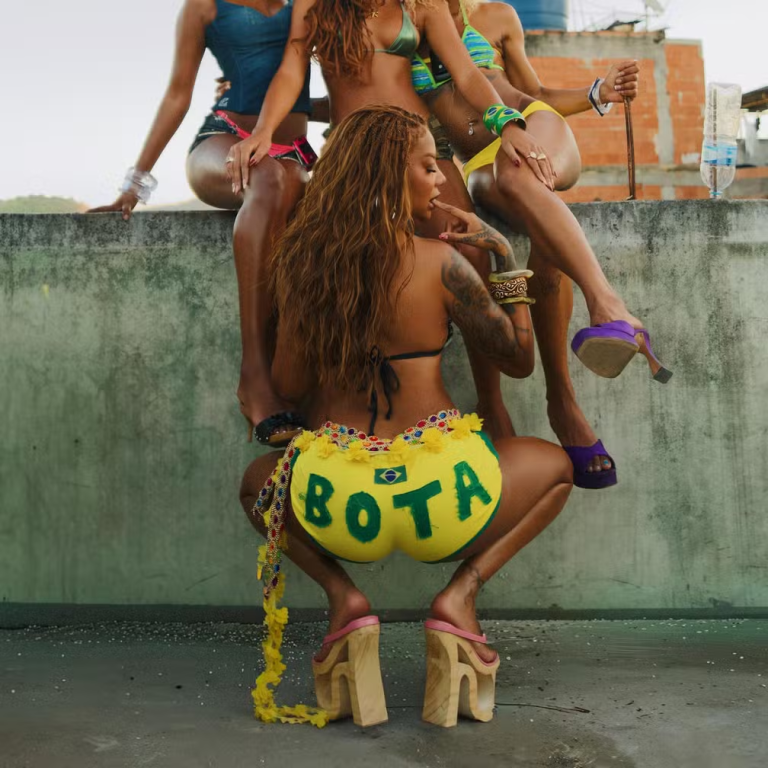
In Brazil, the Rio Carnival is not only a celebration of samba and samba-reggae but also a massive music festival featuring parades, street parties, and concerts. The energy and rhythm of this festival are unmatched, making it a must-visit for music enthusiasts. Similarly, the Vive Latino festival in Mexico City has become a cornerstone for rock and alternative music in the region, highlighting both international stars and local talent.
Africa: Celebrating Heritage and Modern Sounds
Africa’s music festivals are a rich tapestry of traditional rhythms and modern beats, reflecting the continent’s diverse cultures. The Cape Town International Jazz Festival in South Africa is one of the largest jazz gatherings in the world, offering a platform for both global and African jazz artists.
In Morocco, the Fes Festival of World Sacred Music brings together performers from a variety of spiritual traditions, celebrating the diverse musical heritage of the region. Meanwhile, the Sauti za Busara festival in Zanzibar is known for its focus on African music, particularly Swahili and Bantu rhythms, promoting cultural understanding and unity through music.
Challenges and Innovations in the Music Festival Industry
While music festivals are a celebration of culture and creativity, they also face several challenges. Environmental concerns are paramount, as large festivals can significantly impact local ecosystems. Many organizers are now implementing eco-friendly practices, such as waste reduction initiatives and sustainable energy use, to minimize their carbon footprint.
The COVID-19 pandemic posed unprecedented challenges, forcing many festivals to cancel or go virtual. However, this adversity has also spurred innovation, with organizers exploring hybrid models that combine in-person and digital experiences. These adaptations have expanded audiences, allowing more people to participate in the festivities from across the globe.
Safety and accessibility remain critical considerations, with many festivals improving infrastructure and services to accommodate diverse audiences, including those with disabilities. This focus on inclusivity ensures that music festivals continue to be welcoming spaces for all music lovers.
The Future of Music Festivals
As we look to the future, music festivals are poised to evolve, embracing technology and sustainability while maintaining their core essence of celebration and community. Innovations such as virtual reality and augmented reality offer exciting possibilities for enhancing the festival experience, allowing attendees to engage with music and art in new and immersive ways.
Moreover, the focus on sustainability is likely to grow, with festivals becoming leaders in promoting environmental consciousness and social responsibility. By setting an example, they can inspire attendees to adopt more sustainable practices in their daily lives.
The global nature of music festivals will continue to foster cross-cultural exchanges, promoting peace and understanding through the universal language of music. As these events adapt and thrive, they will remain vital connectors of people, ideas, and cultures, celebrating the diversity and unity of the human spirit.
In conclusion, music festivals are dynamic and ever-evolving, reflecting the pulse of the global music scene. They offer a unique blend of cultural richness, artistic expression, and communal joy, making them an essential part of our cultural landscape. As we continue to embrace these celebrations, we honor the timeless power of music to bring us together, transcending borders and creating unforgettable experiences.
About the Author