The Evolution of Latin Music: An Exploration of Its Influence on the Global Music Industry
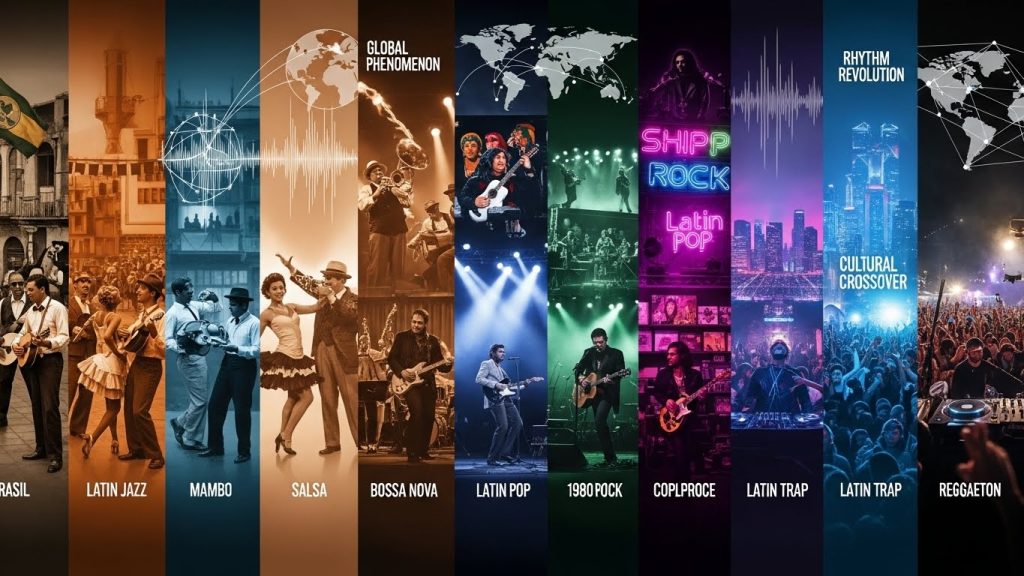
Latin music, a vibrant and diverse genre that encompasses a wide range of styles and cultures, has long been a significant force in the global music industry. From its roots in traditional folk music to its contemporary dominance in pop charts worldwide, Latin music has evolved remarkably, influencing artists and listeners across the globe. In this exploration, we delve into the history, influential styles, and the global impact of Latin music.
The Origins of Latin Music
The origins of Latin music can be traced back to the indigenous sounds of the Americas, blended with influences from European settlers and African slaves. This fusion of cultures gave birth to a unique musical tapestry, characterized by its complex rhythms, passionate melodies, and vibrant dance styles. Key components of early Latin music include the use of percussion instruments such as drums and maracas, as well as string instruments like the guitar.
Genres like flamenco, which originated in Spain, and samba, rooted in Brazil, showcase the early diversity and richness of Latin music. Each style reflects the social and cultural contexts of its time, often serving as a form of expression for marginalized communities.
The Impact of Latin Music in the 20th Century

The 20th century marked a period of significant growth and transformation for Latin music. With the advent of recorded music and the increasing popularity of radio, Latin music reached wider audiences, both within Latin America and beyond. Genres such as tango, salsa, and bossa nova gained international recognition, captivating listeners with their sensual rhythms and emotive lyrics.
Artists like Carlos Gardel, known as the “King of Tango,” and Antonio Carlos Jobim, a pioneer of bossa nova, were instrumental in popularizing Latin music during this era. Their contributions laid the groundwork for future generations of Latin artists and helped establish Latin music as a staple in the global music scene.
The Rise of Latin Pop and Reggaeton
In recent decades, Latin pop and reggaeton have emerged as dominant forces within the music industry. Artists like Shakira, Ricky Martin, and Enrique Iglesias have achieved worldwide fame, blending traditional Latin sounds with contemporary pop influences to create chart-topping hits. These artists have not only expanded the reach of Latin music but also opened doors for emerging talents from Latin America.
Reggaeton, a genre that originated in Puerto Rico, has also gained massive popularity, characterized by its infectious beats and urban flair. Stars like Daddy Yankee and J Balvin have brought reggaeton into the mainstream, collaborating with international artists and achieving crossover success. The genre’s appeal lies in its ability to connect with diverse audiences, transcending language barriers and cultural divides.
The Influence of Latin Music on Global Pop Culture
Latin music’s influence on global pop culture is undeniable. Its infectious rhythms and danceable beats have inspired countless artists across various genres, from pop to hip-hop to electronic music. Collaborations between Latin artists and mainstream pop stars have become increasingly common, resulting in hit singles that dominate global charts.
One notable example is the song “Despacito” by Luis Fonsi and Daddy Yankee, which became a cultural phenomenon, topping charts worldwide and breaking numerous streaming records. The song’s success highlights the universal appeal of Latin music and its ability to bring people together through its joyous and energetic sound.
Latin Music’s Role in Social and Political Movements
Throughout its history, Latin music has also played a crucial role in social and political movements. Songs and dances have served as powerful tools for protest and social change, addressing issues such as inequality, racism, and human rights. Artists have used their music to amplify the voices of the oppressed and inspire action.
For instance, the nueva canción movement in Latin America during the 1960s and 1970s used music as a form of resistance against oppressive regimes. Artists like Mercedes Sosa and Víctor Jara became symbols of hope and resilience, using their songs to convey messages of unity and empowerment.
The Future of Latin Music
As we look to the future, the influence of Latin music on the global music industry shows no signs of slowing down. With advancements in digital technology and the rise of streaming platforms, Latin artists have unprecedented opportunities to reach global audiences, sharing their unique sounds and cultural heritage with the world.
Emerging talents continue to push the boundaries of Latin music, experimenting with new sounds and genres while staying true to their roots. Collaborations with international artists are expected to increase, further solidifying Latin music’s position as a dominant force in the global music landscape.
Takeaways
In conclusion, the evolution of Latin music is a testament to its enduring impact and significance within the global music industry. From its diverse origins to its current status as a powerhouse genre, Latin music has transcended cultural and geographical boundaries, bringing joy and inspiration to millions.
As Latin music continues to evolve and adapt to changing times, its influence will undoubtedly leave a lasting legacy, enriching the global music landscape for generations to come. For more insights into the transformative power of music, explore resources like the Rolling Stone Music News and the Billboard Music platforms.
The Role of Technology in Latin Music’s Global Reach
Technology has played a pivotal role in the global reach of Latin music. With the rise of social media and streaming services, artists can now connect with fans worldwide, breaking down barriers that previously limited their exposure. Platforms like Spotify, YouTube, and Apple Music have facilitated the discovery of new Latin music, allowing listeners to explore diverse sounds and artists at the click of a button.
Streaming has democratized the music industry, giving independent Latin artists the opportunity to gain visibility without the need for major label backing. This has led to a surge in creativity and innovation within the genre, as artists experiment with new styles and collaborate with musicians from different parts of the world. The viral success of songs such as “Mi Gente” by J Balvin and Willy William exemplifies how technology has amplified Latin music’s global influence.
Latin Music Festivals: A Celebration of Culture and Diversity
Latin music festivals have become popular events that celebrate the genre’s rich cultural heritage and diversity. These festivals bring together artists and fans from all over the world, offering a platform for live performances and cultural exchange. Events like the Latin Grammy Awards and the Calle Ocho Festival in Miami highlight the genre’s vibrant energy and its ability to bring people together in celebration.
The popularity of these festivals underscores the global demand for Latin music and its cultural significance. They serve as a testament to the genre’s ability to transcend boundaries and unite people through shared experiences and a love for music. For those interested in exploring more about these events, the Latin Grammy website provides detailed information on Latin music celebrations and awards.
Educational Initiatives and Latin Music
Educational initiatives have also played a significant role in promoting Latin music and its cultural legacy. Schools, universities, and cultural organizations have developed programs to teach the history and significance of Latin music, fostering a deeper understanding and appreciation of the genre among younger generations.
These initiatives often include workshops, lectures, and performances that highlight the contributions of Latin artists and the genre’s impact on the global music industry. By incorporating Latin music into educational curricula, institutions help preserve its rich history and encourage future generations to explore and engage with this vibrant musical tradition.
The Economic Impact of Latin Music
The economic impact of Latin music is substantial, contributing significantly to the global music industry’s revenue. The genre’s popularity has led to increased sales of albums, concert tickets, and merchandise, boosting the economy and providing opportunities for artists and industry professionals alike.
Moreover, Latin music’s influence extends beyond the music industry, impacting sectors such as fashion, tourism, and advertising. Brands increasingly seek to associate themselves with the vibrancy and appeal of Latin music, resulting in collaborations and partnerships that further enhance the genre’s economic footprint.
Preserving the Heritage of Latin Music
As Latin music continues to evolve, preserving its heritage remains a priority for many artists and cultural organizations. Efforts to document and archive the history of Latin music are crucial for ensuring that future generations can access and appreciate the genre’s rich legacy.
Projects like the Smithsonian Institution’s Center for Folklife and Cultural Heritage work to preserve the music, dance, and cultural practices associated with Latin music. These initiatives play a vital role in maintaining the genre’s historical context while supporting contemporary artists in their creative endeavors.
Takeaways
The evolution of Latin music is a remarkable journey that highlights the genre’s resilience, adaptability, and global influence. From its rich cultural roots to its current status as a powerhouse in the music industry, Latin music continues to captivate audiences worldwide with its infectious rhythms and passionate performances.
As we celebrate the achievements and contributions of Latin artists, we also look forward to the future of Latin music, anticipating new sounds and collaborations that will continue to shape and inspire the global music landscape. Whether you’re a lifelong fan or new to the genre, there’s no denying the transformative power of Latin music and its enduring legacy.
About the Author