The Role of Digital Platforms in Shaping Music Trends: An Examination of Today’s Music Consumption
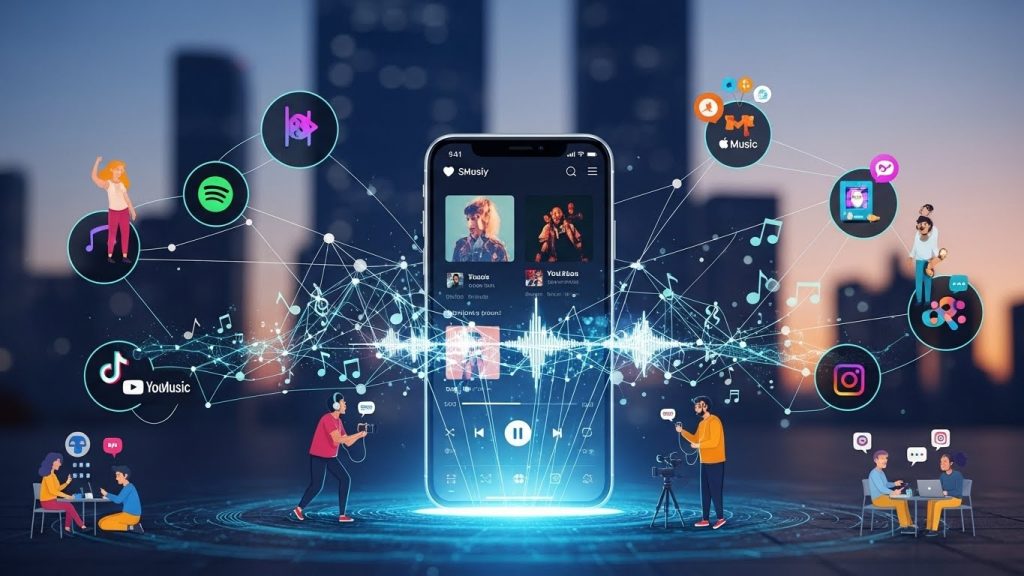
In recent years, the music industry has undergone a seismic shift, driven largely by the rise of digital platforms. From streaming services to social media, these digital tools have revolutionized the way music is produced, distributed, and consumed. As traditional models of music consumption fade into the background, understanding the role of digital platforms in shaping music trends becomes crucial for artists, producers, and fans alike.
The Evolution of Music Consumption
Historically, music consumption was a physical experience. Vinyl records, cassettes, and CDs dominated the market, and music was often shared and enjoyed in person. However, the advent of the internet and digital technology has transformed this landscape. Today, music is predominantly consumed through digital platforms, which has not only increased accessibility but also changed the dynamics of how music trends are formed.
Streaming services like Spotify, Apple Music, and Amazon Music have become the primary means through which people access music. These platforms provide vast libraries of music accessible with just a few clicks, making it easier than ever for users to discover new artists and genres.
The Impact of Streaming Services

Streaming services have democratized music consumption, allowing users from around the world to access a diverse array of music regardless of geographical location. This has led to the globalization of music trends, with artists from one corner of the globe influencing listeners thousands of miles away. For instance, the global rise of genres like K-pop can be attributed to the widespread reach of these platforms.
Moreover, streaming services use sophisticated algorithms to suggest new music to users based on their listening habits. This has significant implications for how music trends develop, as these algorithms can potentially elevate niche genres and artists to mainstream popularity. As a result, artists who might have struggled to gain recognition in the traditional music industry can now find their audience through digital platforms.
Social Media and Viral Music Trends
In addition to streaming services, social media platforms like TikTok, Instagram, and YouTube play a crucial role in shaping music trends. These platforms allow users to share and promote music in creative ways, often leading to viral trends that can propel songs to global fame.
TikTok, in particular, has become a powerful force in the music industry. Its short-form video format encourages users to create content around specific songs, often leading to viral challenges or dance trends. This can significantly boost a song’s popularity, as seen with tracks like Lil Nas X’s “Old Town Road” and Doja Cat’s “Say So,” both of which gained massive traction on the platform before dominating the charts.
The Role of Data Analytics
Data analytics is another critical component of digital platforms’ influence on music trends. Streaming services and social media platforms collect vast amounts of data on user behavior, which can be analyzed to understand listening patterns and preferences. This data-driven approach allows platforms to tailor their offerings to match consumer demand, further influencing which music trends gain traction.
For artists and record labels, access to this data is invaluable. It provides insights into which songs are resonating with audiences, helping them make informed decisions about marketing strategies and future releases. This data-driven feedback loop has made the music industry more responsive to consumer preferences than ever before.
Challenges and Criticisms
Despite the many advantages of digital platforms, there are also challenges and criticisms. One major concern is the financial model of streaming services, which some argue does not fairly compensate artists. While these platforms provide exposure, the revenue generated per stream is often minimal, leading to debates about the sustainability of this model for artists.
Furthermore, the algorithm-driven nature of digital platforms can sometimes lead to homogenization in music trends. There is a risk that the same types of music are promoted repeatedly, potentially stifling diversity and creativity within the industry. Additionally, the pressure to go viral on social media can sometimes lead artists to prioritize catchy, short-form content over more substantive artistic expression.
Looking to the Future
As digital platforms continue to evolve, so too will their impact on music trends. Emerging technologies such as virtual reality and augmented reality offer new ways for fans to experience music, potentially leading to new trends and modes of consumption. Moreover, the increasing importance of user-generated content suggests that fans will play an even more active role in shaping the music landscape.
In conclusion, digital platforms have fundamentally altered the way music is consumed and how trends are formed. While they offer unprecedented opportunities for artists to reach global audiences, they also present challenges that need to be addressed. As the music industry continues to adapt to these changes, it will be fascinating to see how digital platforms shape the future of music consumption.
The Role of Independent Artists
One of the most significant impacts of digital platforms has been the empowerment of independent artists. In the past, artists often relied on record labels to reach audiences and achieve commercial success. However, digital platforms have democratized music distribution, allowing independent artists to release music without the backing of a major label.
Platforms like Bandcamp and SoundCloud have become essential tools for independent musicians, providing them with the means to share their work directly with fans. These platforms not only facilitate exposure but also offer ways for artists to monetize their music, whether through direct sales or fan subscriptions.
This shift has led to a more diverse and vibrant music scene. Independent artists can experiment with different genres and styles, often leading to innovative and unique sounds that may not fit into traditional commercial molds. This diversity enriches the music landscape, providing listeners with a broader range of musical experiences.
Community Building and Fan Engagement
Digital platforms have also transformed how artists engage with their fans, fostering closer connections and building passionate communities. Social media, in particular, allows artists to interact with their audience on a personal level, sharing behind-the-scenes content, updates, and exclusive material.
Platforms like Patreon and Discord offer artists new ways to engage with their most dedicated fans, providing them with exclusive content and experiences in exchange for financial support. This direct-to-fan model not only strengthens the bond between artists and their audience but also offers an additional revenue stream.
Moreover, fan communities can play a pivotal role in promoting an artist’s work. Dedicated fans often become ambassadors, sharing music and recommending it to others, which can lead to organic growth and increased visibility for the artist.
The Influence of Global Collaboration
Digital platforms have made it easier than ever for artists to collaborate across borders, leading to a fusion of cultural influences and new musical trends. Online tools and services allow musicians to work together regardless of geographical location, facilitating cross-cultural collaborations that bring fresh perspectives to the music industry.
This global interconnectedness has led to the rise of hybrid genres, where elements from different musical traditions are blended to create something new. For example, the collaboration between Western pop artists and Latin American musicians has given rise to the popular reggaeton and Latin trap movements, which have gained significant traction worldwide.
Navigating the Algorithm
While digital platforms offer many opportunities, navigating the algorithm-driven landscape can be challenging for artists. Algorithms determine which songs are recommended to users, which can significantly impact an artist’s visibility and success. Understanding how these algorithms work and optimizing content accordingly has become an essential skill for modern musicians.
Artists must be strategic in their approach, focusing on consistency, audience engagement, and data analysis to maximize their reach. Collaborating with influencers and other artists, creating visually engaging content, and utilizing data insights are some of the ways artists can improve their chances of being favored by algorithms.
Takeaways
The role of digital platforms in shaping music trends is undeniable. They have revolutionized the way music is consumed, provided artists with new opportunities, and brought a wealth of diversity to the music industry. However, they also present challenges that require careful navigation and adaptation.
As technology continues to evolve, digital platforms will undoubtedly play a pivotal role in the future of music. For artists, understanding and leveraging these tools is crucial for success in the modern music landscape. For listeners, digital platforms offer an ever-expanding universe of musical possibilities, waiting to be explored.
In this dynamic environment, staying informed about the latest developments and trends will be essential for everyone involved in the music industry. As we look to the future, it will be exciting to see how digital platforms continue to transform the music world and shape the trends of tomorrow.
About the Author